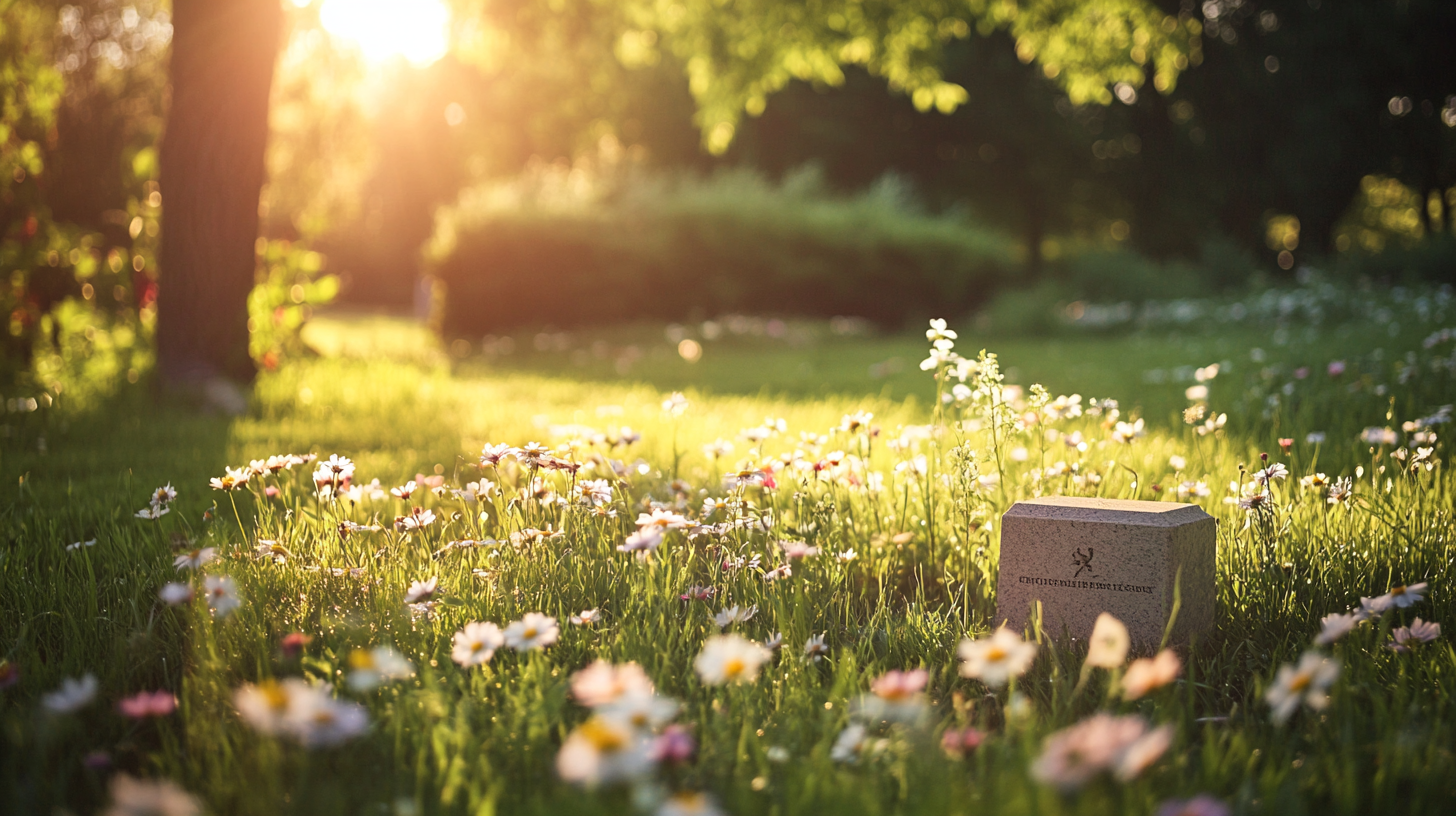
Eco-Friendly Pet Aftercare: Honoring Your Companion and the Planet
For many pet families, caring for the environment is part of how they live, and they want that to extend to how they honor their companion after they pass. The good news: sustainable pet aftercare options are more available than ever.
This guide covers the full range of environmentally conscious aftercare choices, from the cremation method itself to what you do with the remains.
Aquamation (Water-Based Cremation)
Aquamation is the most significant eco-friendly development in pet aftercare. The water-based process uses approximately 90% less energy than flame cremation (per industry data), produces zero direct airborne emissions, and returns 20–40% more remains to you.
Pet aquamation is legal in all 50 U.S. states and available from a growing number of providers. Pricing is generally comparable to private flame cremation. For a full explanation of the process, see our companion article: What Is Pet Aquamation?
Biodegradable Urns
If you plan to bury your pet's remains, whether after flame cremation or aquamation, a biodegradable urn allows the remains to return to the earth naturally.
Types of biodegradable urns:
- Paper and recycled cardboard urns: simple, affordable, fully compostable
- Compressed salt urns: designed for water burial; dissolve within hours in ocean or lake water
- Handmade clay urns: unfired clay returns to soil over months
- Sand and gelatin urns: water-soluble, designed for ocean ceremonies
- Seed-embedded urns: contain wildflower or tree seeds that germinate as the urn breaks down
Most pet aftercare providers offer at least one biodegradable urn option. Prices range from $30 for simple cardboard to $200+ for handcrafted designs.
Memorial Trees and Living Tributes
A growing number of families are choosing to plant a tree or garden in their pet's memory. Several options exist:
Tree pod urns: Your pet's remains are placed in a biodegradable pod with soil and a tree seedling. As the urn breaks down, the nutrients support the young tree's growth. Companies like The Living Urn and Bios Urn offer these products, with tree species selected for your climate zone.
Memorial garden plantings: Some families scatter a portion of the remains in a garden bed and plant flowers, shrubs, or a tree above them. Cremation remains are high in calcium and phosphorus, which can benefit soil, though they should be mixed with regular soil rather than applied directly to plant roots.
Community memorial trees: Some pet aftercare providers and community organizations offer programs to plant trees in public parks or green spaces in your pet's name. This can be a meaningful option if you rent your home or do not have garden space.
Natural Burial
Natural burial, placing your pet's body directly in the earth without cremation, is the oldest and most straightforward form of aftercare. It is legal in most jurisdictions for pets, though local ordinances vary.
Considerations for natural burial:
- Depth: Bury at least 3 feet deep to prevent disturbance by other animals
- Location: Your own property is generally permitted; public land, parks, and waterways are typically not. Check local ordinances.
- Wrapping: Use a biodegradable material: a cotton blanket, untreated wood box, or nothing at all. Avoid plastic.
- Groundwater: Keep burial sites well away from wells, springs, and waterways
Natural burial has zero environmental footprint: no energy use, no emissions, no manufactured products required. For families with property, it can be the most personal and meaningful option.
Scatter Gardens and Memorial Reefs
Scatter gardens: Many pet cemeteries and memorial gardens maintain dedicated areas where families can scatter their pet's remains. These are maintained green spaces where multiple families' pets are remembered in a communal natural setting.
Memorial reefs: For ocean-loving pets and families, companies like Eternal Reefs create artificial reef structures that incorporate cremation remains. The reef is placed on the ocean floor and becomes habitat for marine life. This option is available along the Atlantic and Gulf coasts. It is a meaningful choice for families who spent their lives near the water with their companions.
Choosing What Feels Right
Sustainability in pet aftercare is not all-or-nothing. You might choose:
- Aquamation with a standard urn (reducing the environmental impact of the cremation itself)
- Flame cremation with a biodegradable urn (making the memorialization step eco-friendly)
- Natural burial if you have the space and local regulations allow it
- Any combination that honors your pet and aligns with your values
The most important thing is that your choice feels right to you. Grief is not the moment for environmental guilt. Every option on this page is a respectful way to honor a beloved companion.
Search Gentle Crossings to find pet aftercare providers near you who offer aquamation, biodegradable urns, memorial trees, and other sustainable aftercare options.