About Gentle Crossings
Every Companion
Deserves Dignity
We built Gentle Crossings because the worst day of a pet owner's life shouldn't also be the most confusing. When you lose a companion, you deserve clear options, compassionate guidance, and zero pressure.
Why “Gentle Crossings”?
The name came from a simple observation: when a pet passes, the family crosses a threshold. Life before, and life after. That crossing is painful, disorienting, and deeply personal. We wanted a name that honored that moment — not with clinical detachment, but with gentleness.
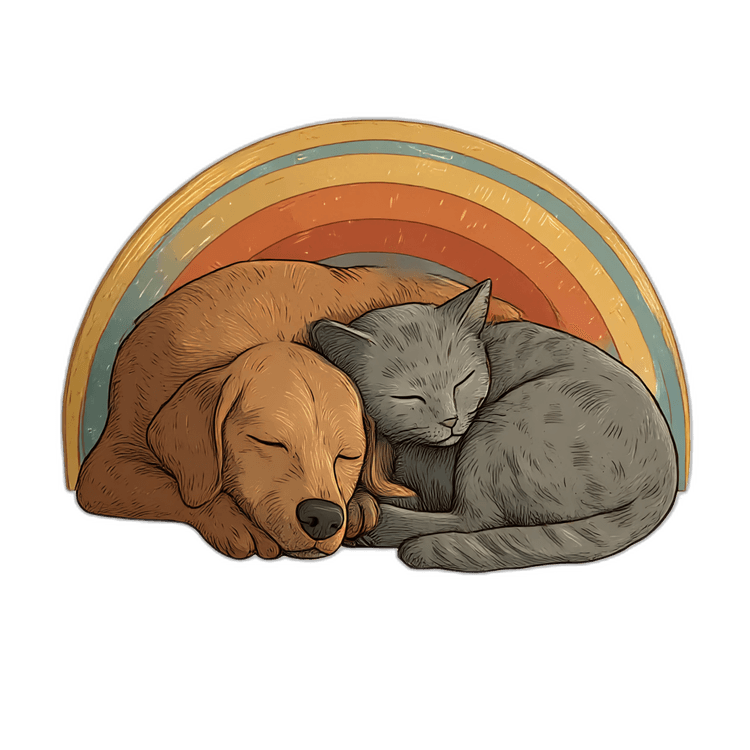
Our mascot is a sleeping pet — not gone, just resting. It's how many of us picture our companions after they pass. Curled up. At peace. Finally free from pain or age or illness. The image is deliberately tender because the experience it represents is tender.
We don't provide aftercare services directly. We connect grieving pet owners with local cremation, burial, and memorial providers who share our values: transparency, compassion, and respect for the human-animal bond.
The Science
Why Pet Loss Hurts So Much
Oxytocin Bond
Studies show that gazing into your dog's eyes triggers oxytocin release in both human and dog — the same hormone involved in parent-child bonding. The attachment is biochemically real.
Daily Routine Disruption
Pets structure our days — morning walks, feeding times, evening cuddles. When they're gone, every hour contains a reminder. The loss isn't just emotional, it's structural.
Unconditional Acceptance
Pets don't judge, criticize, or hold grudges. For many people, their pet is the one relationship in their life that is purely accepting. Losing that is profound.
Disenfranchised Grief
Society often minimizes pet loss — "it was just a cat." This disenfranchised grief, where mourners feel they can't openly grieve, makes the loss harder to process.
Sensory Memory
The weight of a cat on your lap. The sound of a collar. The smell of their fur. Sensory memories are the most persistent, and they trigger grief long after you think you've adjusted.
Identity Shift
Many people identify as "dog people" or "cat parents." When the pet dies, part of your identity goes with them. You're still a pet owner in your heart, but the pet is gone.
Options
Understanding Your Aftercare Options
Private Cremation
Your pet is cremated individually. Ashes are returned to you in a container or urn of your choice. This option provides certainty that the remains are exclusively your pet's. Typical cost: $150–$350.
Communal Cremation
Multiple pets are cremated together in a shared, respectful process. Ashes are not returned individually but are often scattered in a memorial garden. An affordable, dignified option. Typical cost: $50–$150.
Pet Cemetery Burial
Licensed pet cemeteries offer individual plots with headstones or markers. Some offer perpetual care, meaning the grave is maintained indefinitely. Provides a physical place to visit. Typical cost: $500–$2,000.
Home Burial
Legal in many areas for small to medium pets. Requires adequate depth (3+ feet), distance from water sources, and awareness of local regulations. A simple, personal option that keeps your companion close.
Aquamation (Water Cremation)
A newer, eco-friendly alternative that uses water and alkaline solution instead of flame. Produces more ashes than traditional cremation with a smaller carbon footprint. Growing in availability.
Memorial Products
Ashes can be incorporated into jewelry, glass art, garden stones, or tree-planting urns. Fur clippings, paw prints (clay or ink), and nose prints offer tangible keepsakes. Many cremation providers offer these services.
Find Help
You Don't Have to Navigate This Alone
Gentle Crossings connects you with compassionate, local pet aftercare providers who will guide you through every step. No pressure. No upselling. Just genuine care for you and your companion.