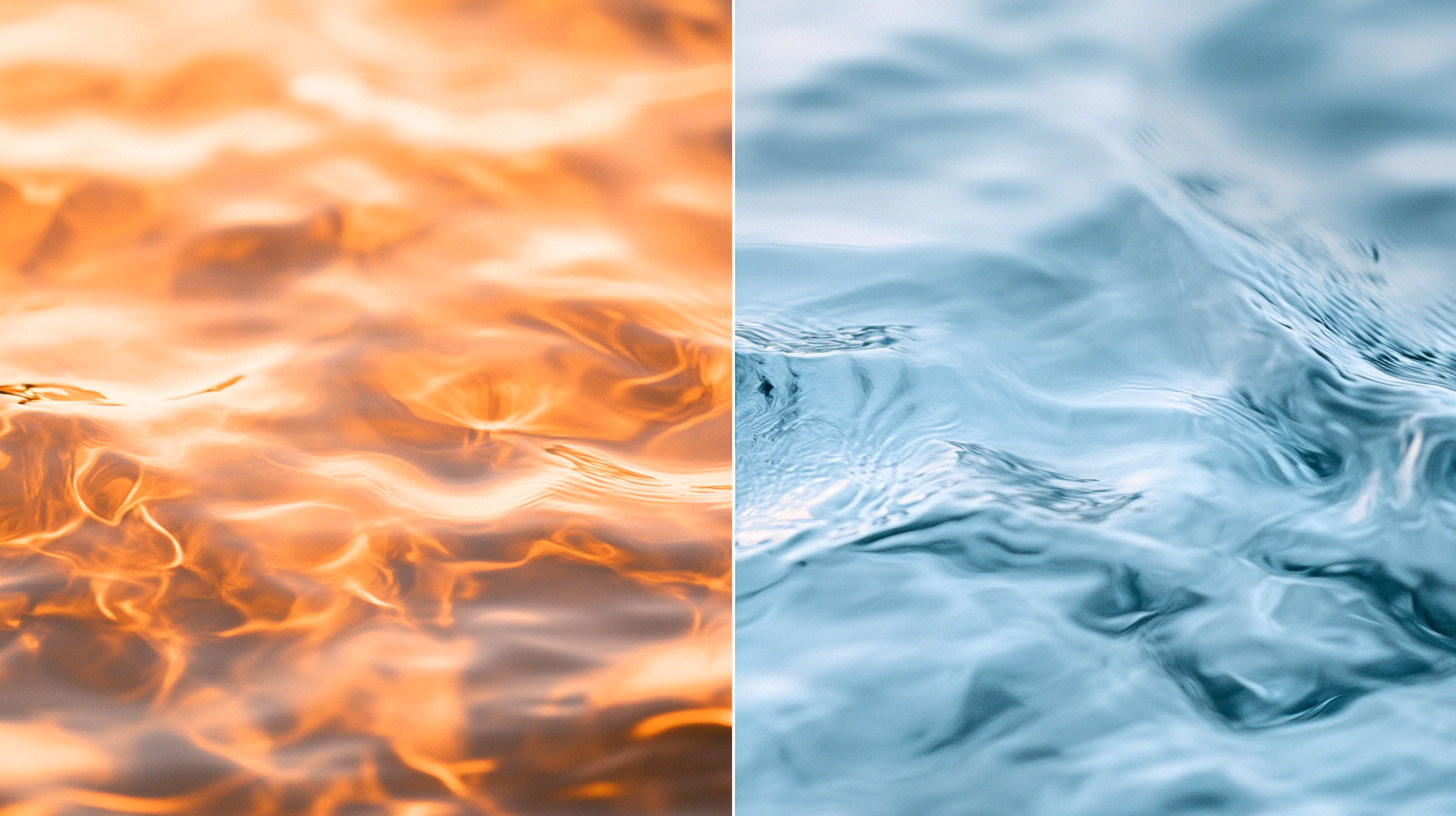
Aquamation vs. Flame Cremation: A Side-by-Side Comparison
When your pet passes, you may be offered two cremation options: traditional flame cremation and aquamation (water-based cremation). Both are respectful, dignified choices. Here is how they compare so you can make the decision that feels right for your family.
The Process
Flame Cremation
Your pet is placed in a cremation chamber and exposed to direct heat at 1,400–1,800°F. The process takes 2–3 hours depending on your pet's size. What remains are bone fragments, which are processed into a fine gray powder and returned to you.
Aquamation
Your pet is placed in a stainless steel chamber with a warm alkaline solution (95% water, 5% potassium hydroxide) at 200–300°F. Over 6–20 hours, the solution gently breaks down organic tissue through the same chemical process that occurs naturally in soil, just accelerated. What remains are bone minerals, which are dried, processed into a fine white powder, and returned to you.
What You Receive
| Flame Cremation | Aquamation | |
|---|---|---|
| Remains color | Gray | White |
| Remains quantity | Standard | 20–40% more |
| Composition | Calcium phosphate and calcium carbonate | Same minerals, more preserved |
| Return timeline | 2–5 business days | 3–7 business days |
The difference in quantity matters to some families. Aquamation preserves more of the bone mineral content because it operates at lower temperatures, which means less calcium loss during the process.
Cost Comparison
| Pet Size | Flame Cremation (Private) | Aquamation (Private) |
|---|---|---|
| Cat / small dog | $150–$300 | $150–$400 |
| Medium dog (30–80 lbs) | $200–$400 | $250–$550 |
| Large dog (80+ lbs) | $300–$600 | $400–$800 |
Aquamation is generally priced similarly to flame cremation, with a modest premium in some markets. The difference, where it exists, is typically $50–$150. As more providers adopt the technology, the price gap is narrowing.
Environmental Impact
This is the area with the most significant difference between the two options:
Flame cremation involves sustained combustion of natural gas. Each cremation produces an average of approximately 600 pounds of CO2, according to the Cremation Association of North America. The process also releases nitrogen oxides and trace amounts of mercury from dental fillings.
Aquamation involves no combustion. There are zero direct airborne emissions: no CO2, no nitrogen oxides, no mercury. Industry data indicates it uses approximately 90% less energy than flame cremation. The process uses about 300 gallons of water per cycle.
Both options are standard, accepted practices. If environmental impact is a priority for your family, aquamation has a measurably smaller footprint. If it is not a primary concern, both options are equally respectful.
Availability
Flame cremation is available from virtually every pet aftercare provider in the United States. It is the standard offering and has been for decades.
Aquamation is available from a growing but still limited number of providers, an estimated 30–60 dedicated facilities nationwide as of early 2026, with additional veterinary clinics partnering with aquamation providers. Availability varies significantly by region. In some metro areas, multiple aquamation options exist; in others, the nearest provider may be hours away.
Many aquamation providers offer pickup and transport services to extend their reach. If aquamation is important to you but no local provider exists, ask about transport options.
Timeline
Flame cremation is faster: 2–3 hours for the process, with remains typically returned within 2–5 business days.
Aquamation takes longer: 6–20 hours for the process, with remains typically returned within 3–7 business days. Some families find the longer timeline difficult during an already painful period; others are comfortable with the wait.
Which Should You Choose?
There is no wrong answer. Both options treat your companion with dignity and return their remains to you.
Choose flame cremation if:
- You want the fastest possible return of remains
- A local aquamation provider is not available
- You are comfortable with the traditional process and it feels right
Choose aquamation if:
- Environmental impact matters to your family
- The idea of a water-based process feels gentler to you
- You value receiving more of your pet's remains
- An aquamation provider is available in your area or offers transport
Some families agonize over this decision. Please know that both choices honor your pet. The provider you select and the care they show matters more than the specific method. Look for a provider who treats you and your companion with compassion, communicates clearly about the process, and returns your pet's remains with dignity.
Search Gentle Crossings to find pet aftercare providers near you, including those offering aquamation and traditional cremation services.